Despite ongoing geopolitical tensions in the Middle East affecting global energy markets, India has recorded one of the smallest increases in petrol and diesel prices among major fuel-importing economies, according to official and market-linked data.
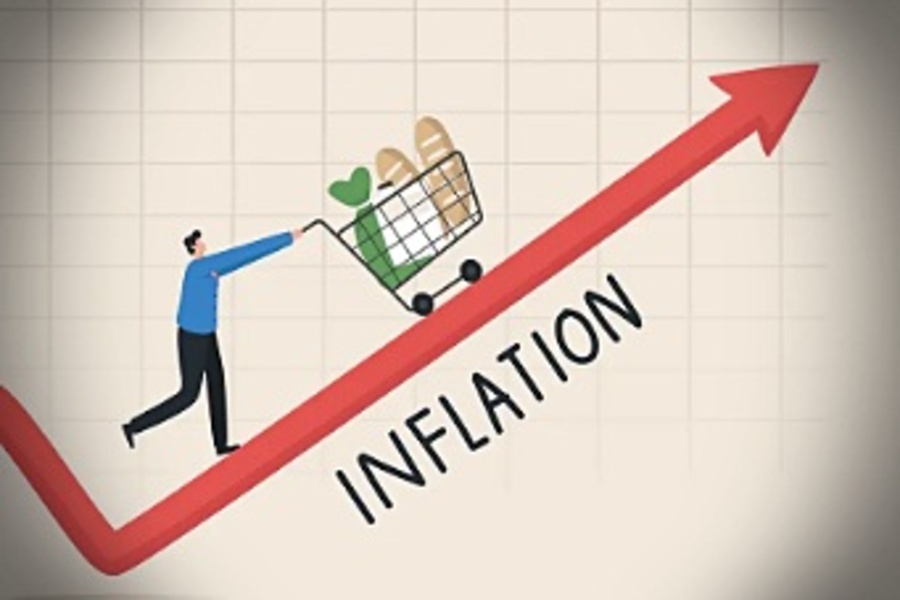
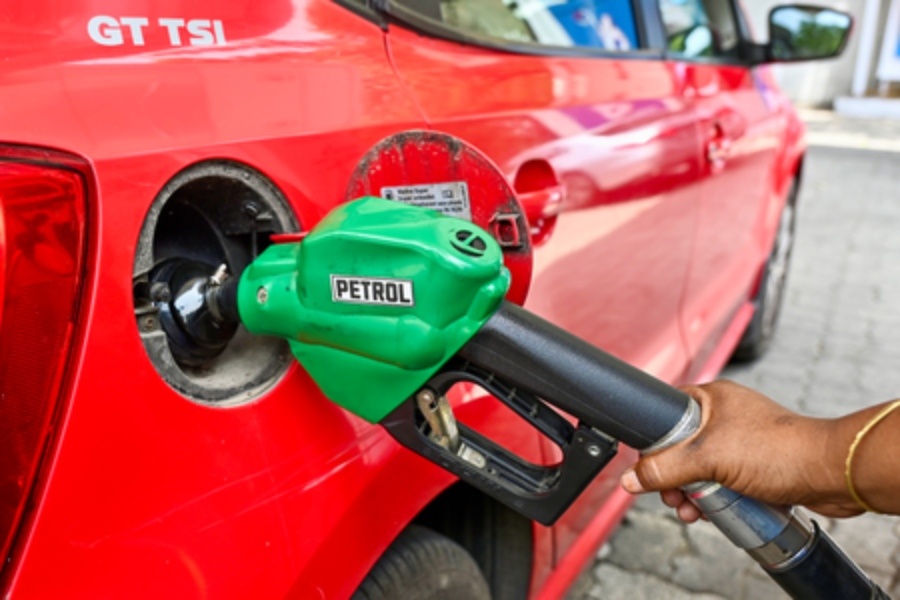
Over a 78-day period—from the closure of the Strait of Hormuz on February 28 to multiple revisions by oil marketing companies (OMCs) on May 15, 19, 23, and 25—domestic fuel prices in India remained largely stable before witnessing a cumulative upward adjustment of a little over ?7 per litre.
This translates to an overall rise of about 7.5 per cent, with petrol prices in Delhi increasing from ?94.77 to ?102.12 per litre, while diesel moved from ?87.67 to ?95.20 per litre.
Officials and market observers noted that while several countries experienced sharper pass-through of global crude price fluctuations, India’s retail revisions remained comparatively restrained.
In many developed economies, petrol prices are currently well above ?150 per litre, with several exceeding ?180 per litre. The European Union’s average retail prices are estimated at around ?179 for petrol and ?184 for diesel.
Neighbouring countries such as Pakistan and Nepal have also seen fuel prices rise beyond ?135 per litre despite lower per capita incomes. Sri Lanka, Myanmar, and the Philippines have reportedly crossed the Rs 130 per litre mark.
Only a few economies, including subsidising nations like the UAE and Malaysia or countries such as the United States with lower fuel taxation structures, continue to offer significantly cheaper retail fuel.
India’s pricing trend, therefore, places it below many developing economies and at nearly half the level of European retail fuel prices, even as most importing nations have passed on global cost increases more aggressively to consumers.
Compared to other major fuel-importing countries, India’s recent adjustment is among the smallest in scale, with several economies—particularly in Europe and parts of Asia—recording much steeper increases over the same period.