Jamai Shashti, one of the most popular Hindu Bengali festivals, is traditionally celebrated with great enthusiasm, especially in rural regions. On this occasion, sons-in-law are warmly welcomed and treated with special meals and hospitality by their in-laws. However, this year, the festive atmosphere in many villages appeared noticeably subdued compared to previous years.
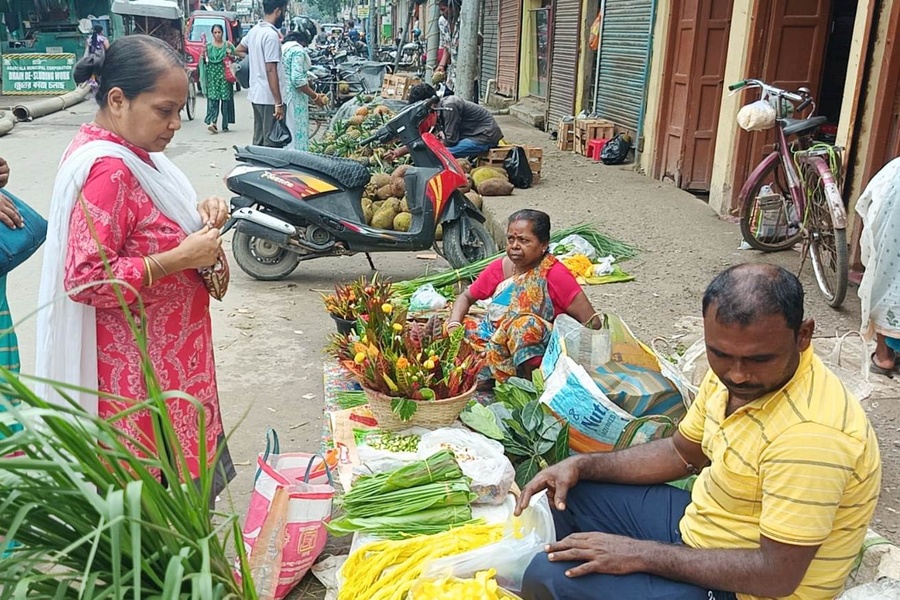
In the rural areas of the southern part of the Sonamura sub-division Sonamura, including the Kathalia commercial zone and along the Sonamura–Belonia bypass road, fish traders set up stalls expecting high sales. They brought various types of fish, including premium varieties like hilsa, anticipating strong demand ahead of the festival.
However, business owners such as Nasir Mia and Sanjay Debnath reported disappointment as customer turnout was significantly lower than expected. Many potential buyers reportedly walked away after hearing the prices, without making purchases. Traders expressed concern over weak sales and reduced festive demand.
Although families still made basic arrangements for celebrating Jamai Shashti, there is a growing sense of hesitation regarding elaborate celebrations. Some traditional uncertainties related to the timing of the festival in the month of Ashar have also contributed to confusion, although religious scholars clarify that there is no restriction on performing the rituals, especially for married sons-in-law.
Many consumers admitted that while they are purchasing essential items to maintain tradition, large-scale celebrations have decreased. Rising prices of daily necessities and financial pressure have forced households to limit their festival expenses.
Locals note that in earlier years, preparations for Jamai Shashti would begin several days in advance, with visible excitement in rural markets. This year, however, that familiar festive buzz is largely missing. Both traders and customers believe that the slowdown in the rural economy and increased living costs have directly affected the spirit and scale of the celebration.
Overall, this year’s Jamai Shashti reflects a more restrained form of celebration, highlighting the impact of economic challenges on traditional festivals in rural communities.