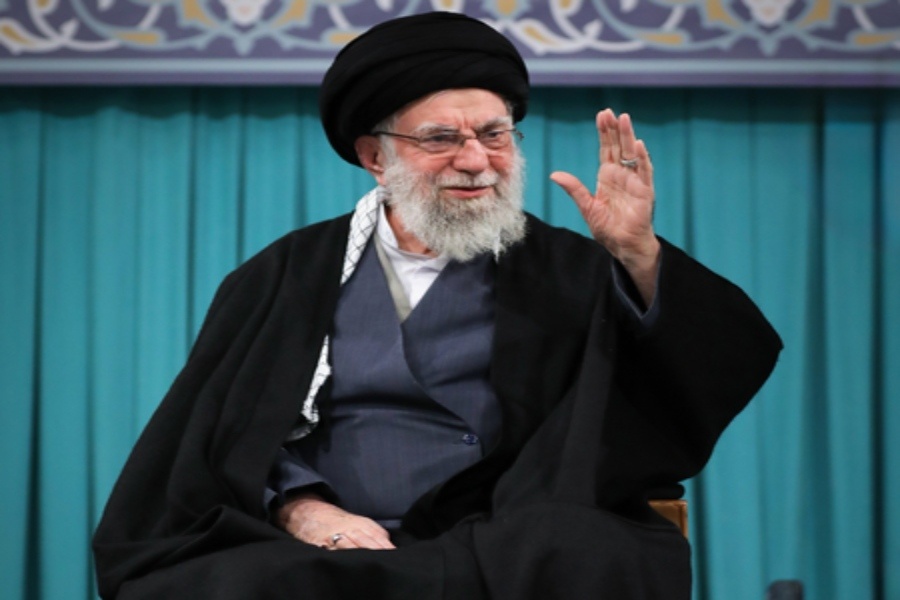
The Shiv Sena (Uddhav Balasaheb Thackeray faction) on Monday described Iran’s Supreme Leader Ali Khamenei as a fiercely self-respecting leader who “stood firm against global superpowers” until his death in alleged strikes carried out by the United States and Israel.
In an editorial published in its party mouthpiece Saamana, the faction led by Uddhav Thackeray said that a true leader does not surrender during times of war but remains steadfast. The editorial claimed that Khamenei did not flee Iran, seek shelter in bunkers, or appeal for foreign protection during the recent escalation.
“Standing firm amidst a struggle against global superpowers, he attained martyrdom for Iran. Khamenei will be remembered not merely for his position, but for his patriotism,” the editorial stated.
It also recounted an anecdote in which Khamenei reportedly advised a young boy eager to sacrifice himself for the nation to first pursue education and live his life, saying that if the time came, everyone would be ready to defend the country. The editorial said he ultimately upheld that belief by remaining in Iran during the strikes.
The piece criticised what it described as “collective bullying” by Israel and the United States, alleging that interventions in sovereign nations are often justified under the pretext of promoting democracy or neutralising nuclear threats, while actually being driven by economic and strategic interests.
Citing past examples, the editorial referred to conflicts involving Muammar Gaddafi of Libya and Saddam Hussein of Iraq, arguing that their deaths were also outcomes of global interference. It further alleged large-scale casualties in regional conflicts and criticised continued strikes despite claims that Iran was willing to reconsider its nuclear programme.
The editorial also questioned India’s stance during the crisis. It said that despite Iran’s past support to India on issues such as Kashmir and discounted oil supplies, New Delhi had largely remained silent.
It alleged that this silence reflected diplomatic pressure linked to ties with US President Donald Trump and Israeli Prime Minister Benjamin Netanyahu, claiming that strategic and technological cooperation influenced India’s response.
Concluding its remarks, the editorial noted that as Iran observes a 40-day mourning period, global reactions remain divided. It questioned whether Prime Minister Narendra Modi would publicly acknowledge Iran’s leader, or maintain silence amid geopolitical considerations.