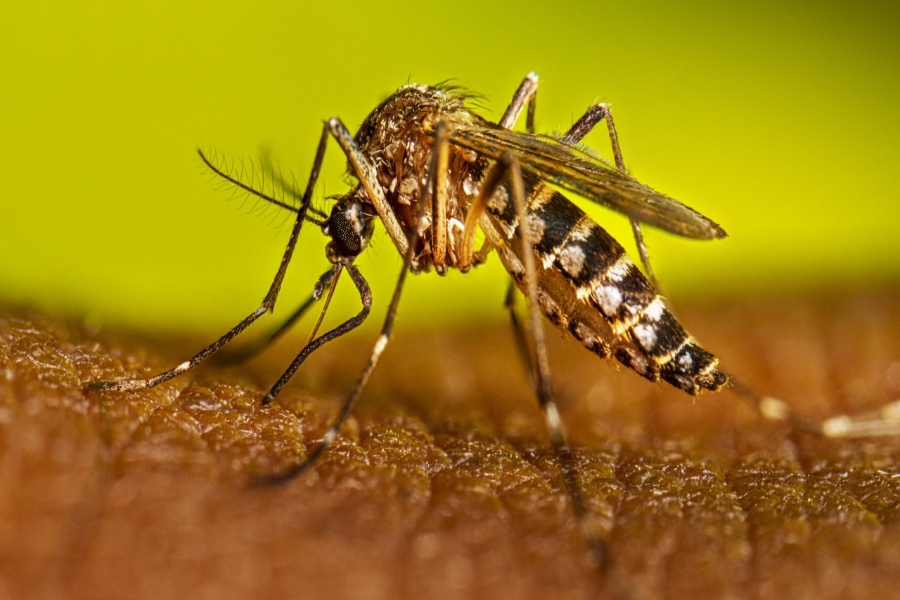
To strengthen dengue prevention and control efforts, the state has launched a series of integrated public health activities across all districts and blocks.
Health officials, frontline workers and various departments are working together to curb the spread of the disease through active surveillance, awareness drives and environmental management.
As part of the campaign, health workers are conducting door-to-door visits to identify and eliminate mosquito breeding sources. They are also disseminating information on source reduction and dengue prevention among households. At the village and sub-center levels, individuals showing fever symptoms are being screened through rapid blood tests to ensure early detection.
Community-level source reduction activities are being carried out regularly, with teams inspecting homes and advising residents on keeping their surroundings free of stagnant water. To strengthen coordination, block-level inter-sectoral convergence meetings are being held with the participation of public–private partner organizations and NGOs, where joint action plans are formulated.
Public awareness initiatives have been intensified, including miking campaigns and IEC (Information, Education and Communication) outreach using mobile publicity vehicles to spread key messages on dengue prevention. In high-risk and infection-prone areas, authorities are applying temephos, conducting BTI spraying, and observing “dry days” to eliminate breeding sites. Health workers, including Community Health Officers and MPWs, are actively engaging in household visits for source destruction and community sensitization.
Fogging operations are being carried out at the residences of active dengue patients, while district-level monitoring teams are regularly reviewing the situation and guiding local interventions. At health facilities, ASHA workers are being trained and sensitized on dengue prevention during Asha-Varosa Day programs.
Officials believe that the combined efforts—enhanced public awareness, source reduction, and strong interdepartmental coordination—will significantly help control the spread of dengue across the state.