Tripura Police are formulating a comprehensive strategy to counter rising concerns over radicalisation in the state’s border regions, working closely with central security agencies amid reports of increased movement of religious preachers from neighbouring Bangladesh.
According to officials in the state home department, a significant number of preachers from Bangladesh have been entering India legally on tourist and medical visas, but subsequently engaging in religious propagation across Tripura and other bordering states.
A senior official said, “There are no concrete signs of radical activity at present. However, orthodox religious preaching, the presence of Tablighi Jamaat groups, and the continued cross-border movement of preachers are matters of ongoing observation.”
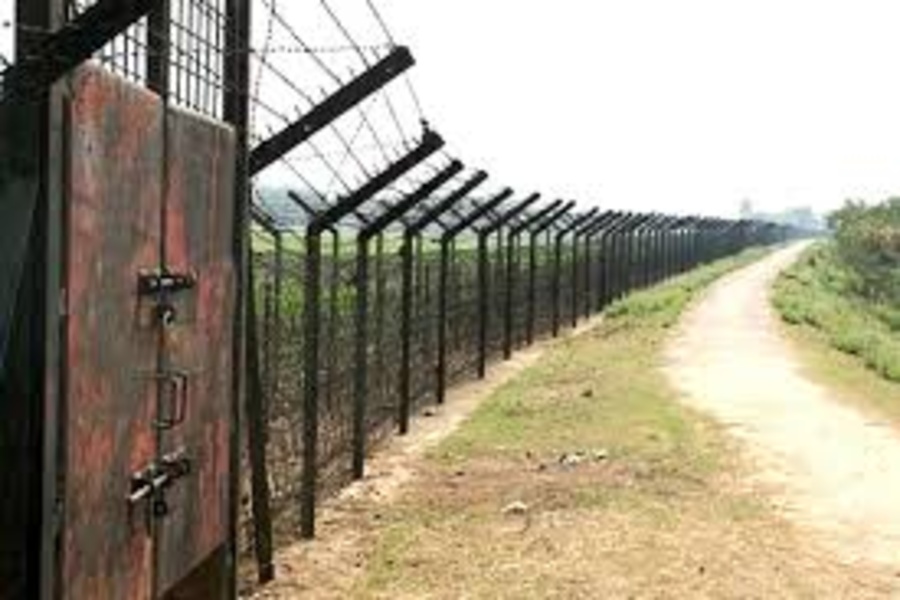
Tripura’s border belt—spanning 11 subdivisions—is home to multiple religious and ethnic communities. The inflow of individuals from sensitive districts of Bangladesh such as Chittagong, Feni, Comilla, Brahmanbaria, Habiganj, and Moulvibazar remains substantial, at times triggering ethnic or communal tensions within the state.
To address these challenges, the police have launched initiatives to enhance community participation in border management. Officials say this approach not only improves intelligence gathering but also strengthens the sense of security among local residents.
Following UN guidelines on the proportional use of force and the Ministry of Home Affairs’ “non-lethal first” directive, the Border Security Force (BSF) deployed along the Tripura frontier primarily relies on non-lethal weapons. The humanitarian considerations are particularly important along Tripura’s densely populated international border.
The official added that Pump Action Guns (PAGs) are used as the principal deterrent against trespassers, smugglers, and other cross-border offenders—markedly different from the approach on India’s western border with Pakistan—helping minimise fatalities while maintaining effective border control.