
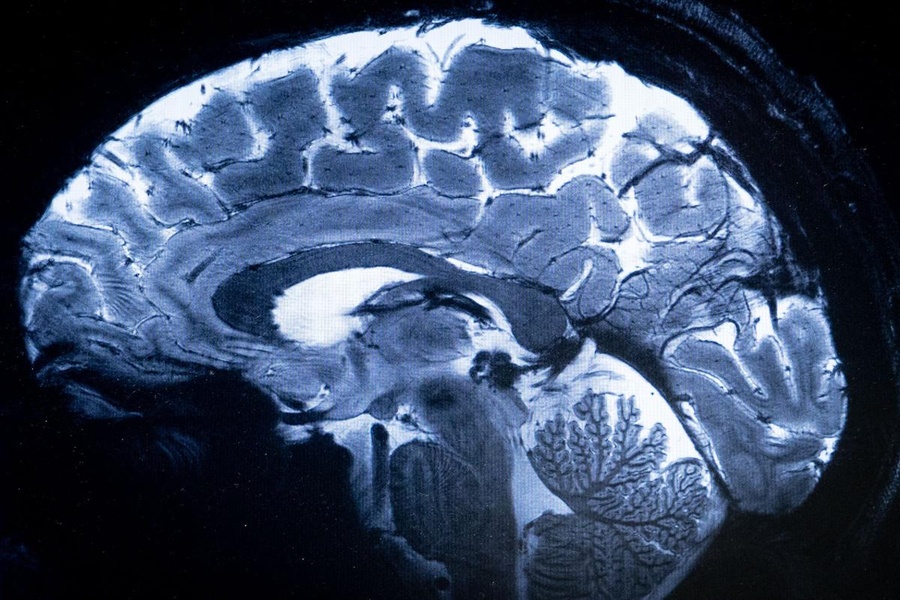
A 47-year-old man from Malappuram district has died of amoebic meningoencephalitis, a rare but fatal brain infection caused by a “brain-eating” amoeba, marking the sixth such death in Kerala within a month.
The deceased, identified as Shaji from Chelempra Chaliparambu, was admitted to Kozhikode Medical College Hospital (KMCH) on August 9.
He had pre-existing liver ailments and reportedly did not respond to treatment. Health officials confirmed his death on Wednesday night but said the source of the infection has not yet been identified.
This is the second death reported this week. Earlier, a woman from Vandur in Malappuram also succumbed to the same infection at KMCH.
Meanwhile, two fresh cases—a 10-year-old girl and a woman—tested positive on Wednesday, taking the total number of patients under treatment to 10. One of them is said to be in critical condition.
Over the past month, six people, including a three-month-old infant and a nine-year-old girl, have lost their lives to the infection in northern Kerala. The rising toll has prompted health authorities to intensify surveillance and launch public awareness drives.
Amoebic meningoencephalitis is caused by the free-living amoeba Naegleria fowleri, which typically enters the body through the nose when people swim or dive in contaminated freshwater. The amoeba then travels to the brain, causing severe inflammation and tissue damage.
Experts clarified that the infection is not contagious and cannot spread through drinking contaminated water. However, some researchers believe climate change and environmental factors may be contributing to the recent spike in cases.