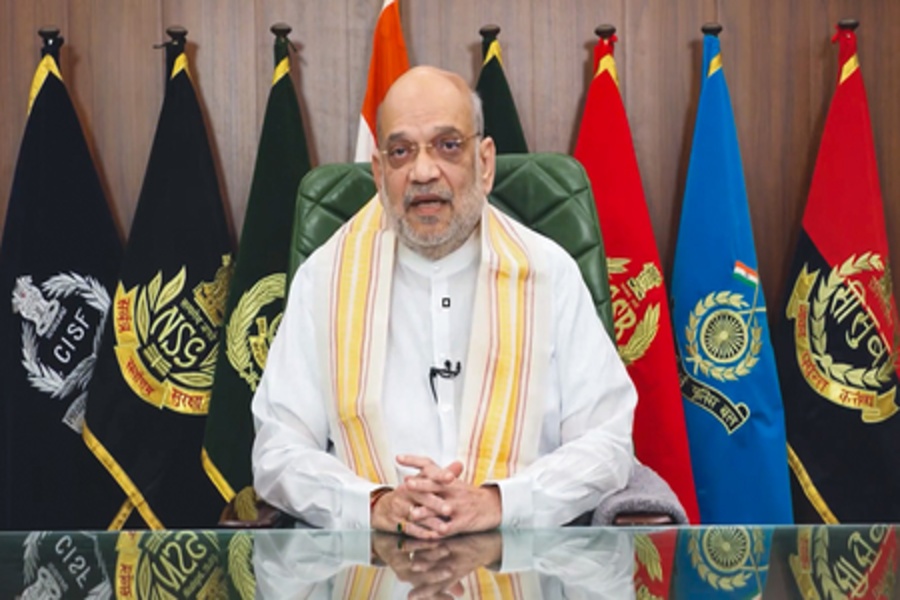

The Lok Sabha will continue its deliberations on the Special Intensive Review (SIR) on Wednesday, with Union Home Minister Amit Shah expected to present the government’s position on electoral reforms at 5 p.m.
The House began discussing the Election Commission of India’s ongoing SIR exercise on Tuesday.
The review, currently being conducted across 12 states and Union Territories, has sparked strong objections from various Opposition parties.
Union Parliamentary Affairs Minister Kiren Rijiju announced through a post on X that Shah would address the Lok Sabha regarding the SIR process later in the day.
Opening Tuesday’s debate, Congress MP Manish Tewari voiced concerns over the use of public money during election periods, particularly questioning the credibility of direct cash transfers to voters. He warned that such practices undermine democratic fairness and could damage India’s financial integrity.
Tewari also challenged the legal foundation of the SIR itself, urging the Election Commission to improve transparency and provide political parties with machine-readable voter rolls. His demands included amendments to the law governing the selection of Election Commission officials and the inclusion of the Chief Justice of India and the Leader of the Opposition in the Rajya Sabha on the selection panel. He additionally called for the SIR to be halted immediately and for a complete ban on pre-election cash transfers.
In response, BJP MP Sanjay Jaiswal accused the Opposition of raising objections to the SIR merely as a reaction to their significant defeat in the recent Bihar elections. He alleged that the Congress had a long history of “vote theft,” beginning with Jawaharlal Nehru becoming Prime Minister in 1947 despite support within the Congress Working Committee for Sardar Vallabhbhai Patel. Jaiswal also cited events such as the 1975 Emergency and the Jammu and Kashmir elections of 1987 as further examples.
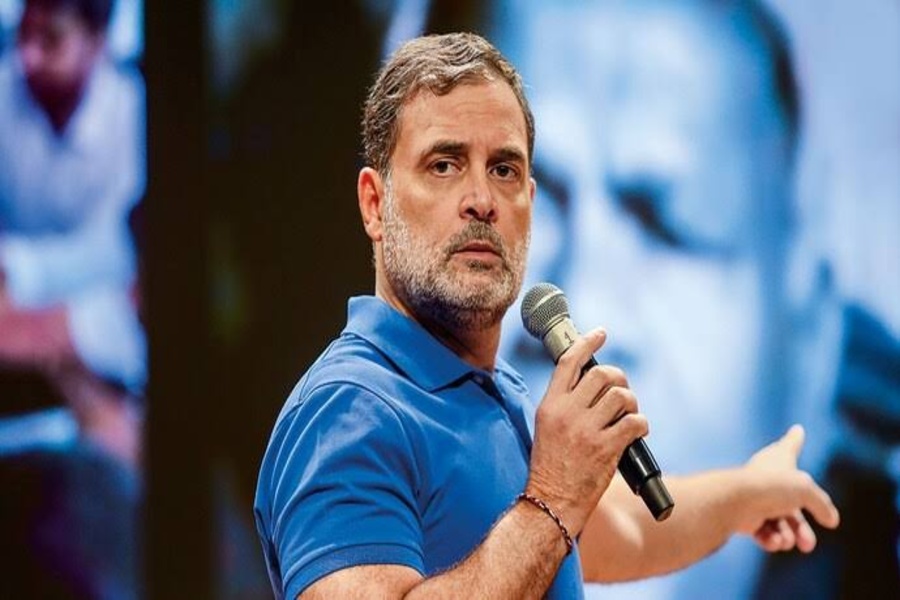
During the broader debate on electoral reforms, Leader of the Opposition Rahul Gandhi criticized amendments to the process of selecting Election Commissioners. He questioned why the Chief Justice of India was removed from the selection committee, suggesting that the current system leaves the Opposition without an effective voice.
Gandhi went on to question changes made in December 2025 that shield Election Commissioners from punitive action for decisions taken while in office, calling the move unprecedented and insinuating political motives. He argued that manipulating electoral systems constituted an act against the nation, declaring, “There is no bigger anti-national act than stealing votes.”
BJP MP Nishikant Dubey countered these assertions by accusing the Congress of having weakened key constitutional bodies during the 1970s through the recommendations of the Swaran Singh Committee and the 42nd Amendment. He dismissed Gandhi’s claims that institutions have been subverted by the RSS and argued that it was the Congress that historically curtailed institutional independence, including diminishing the powers of the President’s office.