Prime Minister Narendra Modi on Thursday paid homage to former President Pranab Mukherjee on his birth anniversary, describing him as a “towering statesman” whose lifelong dedication strengthened Indian democracy.
Born on December 11, 1935, Mukherjee emerged as one of India’s most influential political figures, eventually becoming the first person from West Bengal to occupy the office of President from 2012 to 2017.
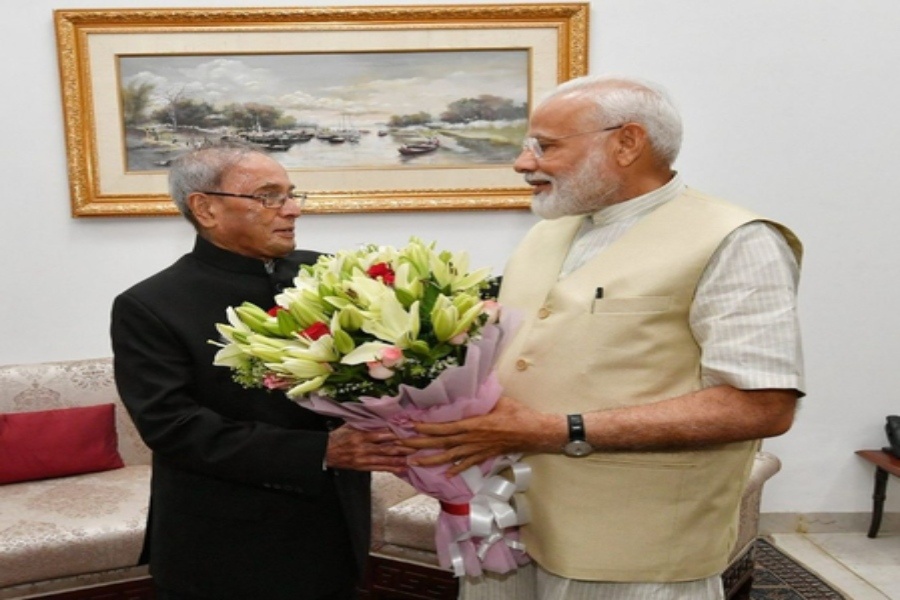
In a post on X, PM Modi wrote, “Tributes to Shri Pranab Mukherjee on his birth anniversary. A towering statesman and a scholar of exceptional depth, he served India with unwavering dedication across decades of public life. Pranab Babu’s intellect and clarity of thought enriched our democracy at every step.” Modi added that he considered it a privilege to have learned from Mukherjee during their many years of interaction.
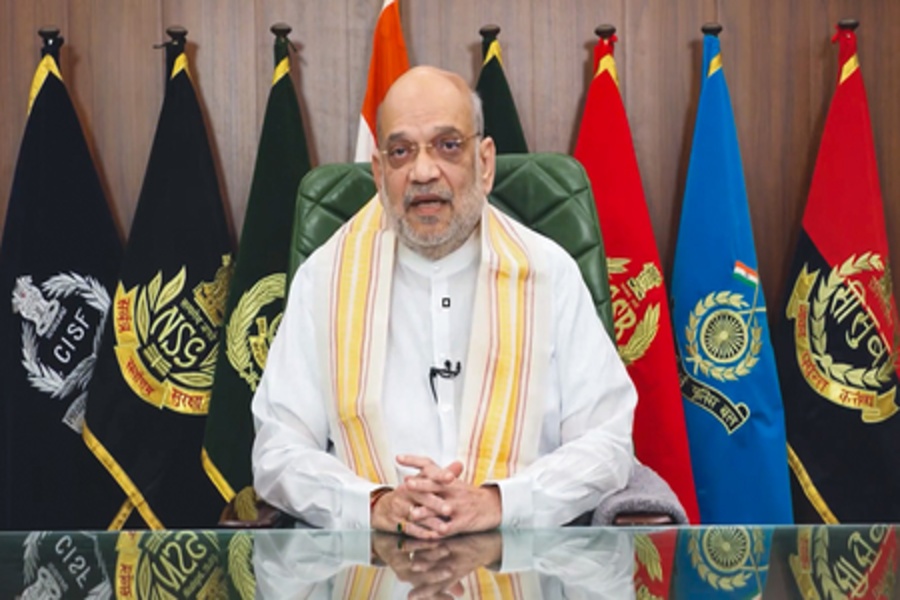
Union Home Minister Amit Shah also remembered the late President, calling him a leader deeply committed to public service. “Mukherjee Ji’s profound understanding of the Constitution defined his tenures in public offices. His life and works will continue to inspire our democratic journey,” Shah said.
Union Health Minister J.P. Nadda paid tribute as well, noting that Mukherjee’s humility, vast knowledge and impactful contributions would continue to inspire generations dedicated to national progress.
Across his long political career, Pranab Mukherjee held several crucial portfolios — Finance, Defence, Commerce, and External Affairs — and served five terms in the Rajya Sabha beginning in 1969, followed by two terms in the Lok Sabha after 2004. For 23 years, he was a key member of the Congress Working Committee.
Between 2004 and 2012, Mukherjee was central to major policy reforms involving the Right to Information Act, administrative reforms, employment guarantees, food and energy security, expansion of IT and telecommunications, and the establishment of institutions such as the UIDAI and the Metro Rail network.
Earlier, he played a crucial role in setting up Regional Rural Banks in 1975, the EXIM Bank, and NABARD in the early 1980s — institutions that continue to shape India’s financial and rural development landscape.