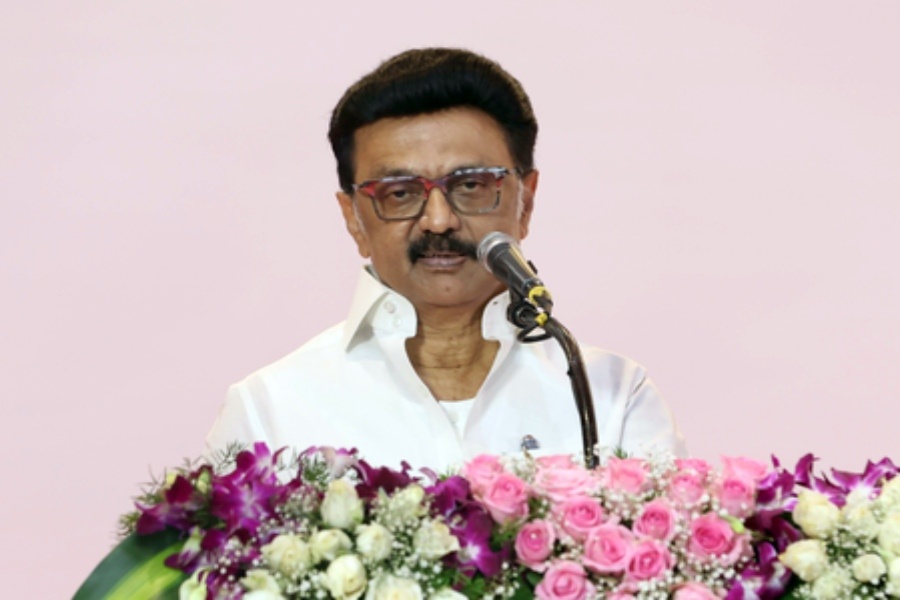
Tamil Nadu Chief Minister M.K. Stalin on Monday unveiled the Toy Manufacturing Policy 2025, an initiative aimed at transforming the state into a world-leading centre for next-generation toy production, design innovation and heritage-based craftsmanship.
The policy outlines a dual vision: boosting large-scale industrial manufacturing while simultaneously reviving Tamil Nadu’s centuries-old artisanal toy-making traditions by linking them to modern supply chains and global markets.
With the worldwide toy industry valued at nearly USD 180 billion in 2024—and India contributing less than one per cent—officials believe Tamil Nadu has a significant opening to scale rapidly. To tap into this opportunity, the government plans to attract at least 10 major investors, develop a dedicated Toy Manufacturing Park, and encourage the growth of creative design studios that can drive R&D, product development and high-skilled employment.
A strong emphasis has been placed on advanced and high-value product categories such as STEM-focused educational toys, electronic and interactive toys, board games and puzzles, action figures, and plush products.
Large investments exceeding Rs 50 crore and generating a minimum of 500 jobs will be eligible for a specialised incentive package. Benefits include fixed capital subsidies, concessions on land allocation, stamp duty waivers, training support, assistance for quality certifications, subsidies for IP creation, and relief from electricity tax.
For MSMEs, the government has extended support through the MSME Policy 2021, including capital subsidies up to Rs 1.5 crore, payroll incentives, interest reimbursement and IP creation assistance.
Manufacturers of experiential learning toys and inclusive toys for children with special needs will benefit from targeted incentives, aligning production with global safety, accessibility and social responsibility standards.
To encourage creativity-led enterprises, the policy includes a 30% payroll subsidy for one year for new design studios established in the state. The policy carries a five-year validity period and will be executed through the Industries Department, with SIPCOT serving as the nodal agency for disbursing incentives. Parallel facilitation support will be provided for MSMEs.
A key pillar of the initiative is the strengthening of traditional toy-making clusters. The Vilacheri terracotta hub, the wooden lacquerware belt of Ambasamudram—known for miniature instruments and children’s playsets—and the globally recognised GI-tagged Thanjavur Thalayatti Bommai are all set to be integrated into the global-facing framework envisioned under the new policy.