In a pointed attack on the regional party Tipra Motha, Chief Minister Prof. Dr. Manik Saha accused it of misleading voters with slogans like Thansa and Greater Tipraland, calling the party’s tactics reminiscent of communist-style control.
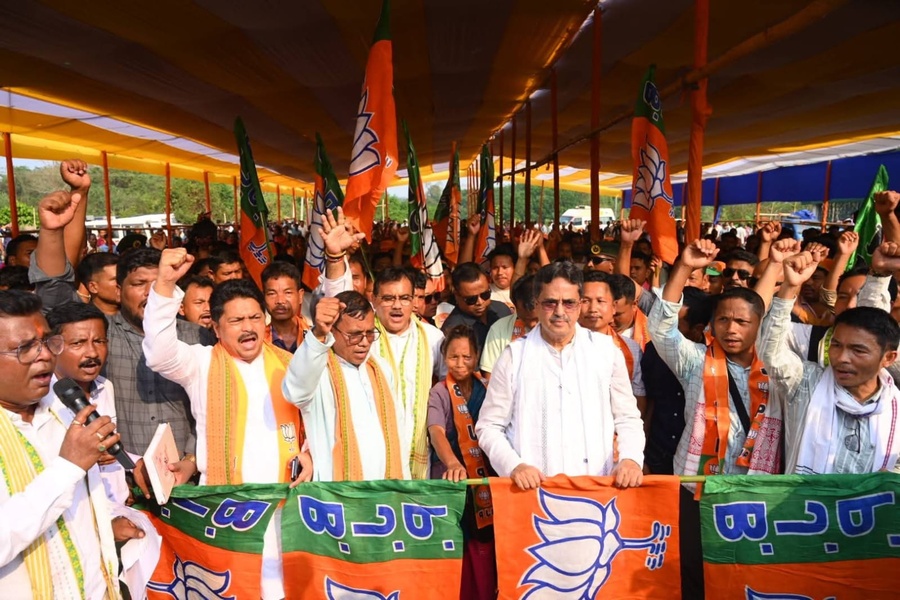
Speaking at a gathering in Kunjaram Para, Paharpur of Natunbazar-Malbasa constituency, Dr. Saha positioned the Bharatiya Janata Party (BJP) as the alternative that would deliver “real development” for the state’s indigenous communities.
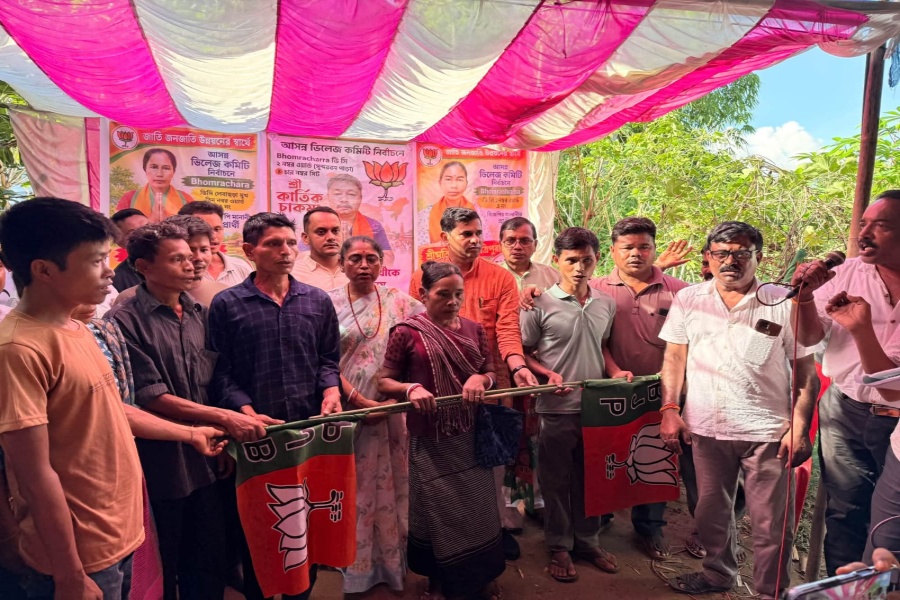
He welcomed 700 voters from 203 families who joined the BJP at the event, framing it as a growing wave of support ahead of the Tripura Tribal Areas Autonomous District Council (TTAADC) elections.
Dr. Saha criticized Tipra Motha for “jumping around” and spreading confusion with conflicting statements. “For so long, they believed they alone could control the ADC. We tried to cooperate with them, but they were inconsistent. They seek to dominate the council like communists. This time, we are taking our own path,” he said.
Highlighting the party’s repeated focus on Thansa, Dr. Saha accused Tipra Motha of dragging minorities and Bengali communities into the issue without clarity or a real plan. “They talk about Greater Tipraland but don’t know its boundaries. Such statements only confuse people,” he added, contrasting this with the BJP’s focus on inclusive development under the vision of Prime Minister Narendra Modi.
The Chief Minister also took a swipe at Tipra Motha’s governance record, alleging misuse of development funds in the ADC and warning voters that the era of monarchy is over, and democracy demands accountability. Drawing a parallel with West Bengal politics, he said, “Tipra Motha is like TMC, trying to squeeze the common man. Acting alone will not work anymore.”
Dr. Saha concluded by appealing to Tipra Motha’s youth supporters to join the BJP, promising a “new Tripura” built on the principles of peace, inclusion, and development.
With the TTAADC elections around the corner, this is shaping up as a high-stakes contest between the ruling BJP and regional forces seeking to consolidate tribal votes.